

本站推荐电影
-
·湖南福彩“爱心驿站”:把便民服务送到群众家门口
·凯迪拉克全新 XT5 PHEV 将于 9 月 7 日上市,搭载 Momenta R7 世界模型
·泰国春节旅游被大量退单,有人不想承担7万元退订费决定继续行程
·“简拉维”刚走“沙德尔”接棒 周五对杭州影响最明显
·内塔尼亚胡宣称美伊“不可能”达成外交协议
·【观点】国都期货:螺纹钢基本面持续好转,可逢低布局多单
·Jennifer Lawrence and Josh Hutcherson to return in Hunger Games: Sunrise on the Reaping
·AI助盲眼镜产业化提速 政策加持企业布局
·伊朗官员:若美打经济战 霍尔木兹海峡和波斯湾将再无石油出口
·2022短道速滑国家训练营正式开营 张晶任总顾问
·中超第8轮最佳候选:特谢拉、法比奥、阿奇姆彭、恩戈姆、罗慕洛
·What's Behind Medicine Shortage in the UK?
·3亿收购老板娘公司,蜜雪冰城买的什么酒?
·富阳再称“杭州王” 孙江豪现场求婚
·迪马济奥:博洛尼亚有意鲁文·巴尔加斯,和奥林匹亚科斯争抢球员
本站推荐电视剧
-
·福州港整车出口首破5万辆 单船出口6115辆刷新福建纪录
·火花終止連敗有曙「光」
·库里塔图姆领衔众星祝福威少!詹姆斯第一时间评论:兄弟下一站名人堂
·泸州老窖:2026年半年度净利润同比下降43.37%
·国际观察:“三无”加拿大,有什么资格担任“人权裁判官”?!
·投诉中网优能于2026年8月3日在人事考试网平台收取核验费
·上海一纹眉店用护手霜代替麻药制造剧痛,52人被逼加钱升级套餐,主犯被判刑1年7个月
·中航西飞:上半年净利润4.9亿元 同比下降28.91%
·深度| 甘茨“向总理而不是哈马斯发出最后通牒”,以色列战时内阁分歧公开化
·触摸智造解锁研学新场景
·队记:杜锋朱芳雨换身份不是句号 将来还是存在分久必合的可能性
·2025国家补贴什么时候结束?国补和618哪个更优惠?2025国补政策最新消息
·无数第一次! 回顾国庆庆典精彩瞬间
·大乐透第26080期开10注一等奖
·爱德华兹:夺冠需脚踏实地 正努力磨合新阵容
电影下载排行
-
·全国首次集中亮相,约5500万年前的抚顺,长这样……
·北京自19-20赛季后首次晋级四强,与山西时隔13年再约半决赛
·商家代练服务开挂,导致买家账号封号
·PriceSeek提醒:加拿大8月油菜籽产量预期较上月上调
·《巫师3:狂猎》价格永涨!免费升级"重制版" 送老DLC
·中超主场申报宽限两天 7家俱乐部场地已过关
·闪小融借款时悄悄扣会员服务费我要回329元被扣的钱
·市委召开全市经济运行座谈会
·Cybercab正式定档!自动驾驶赛道迎来新催化 这7股业绩倍增可期(名单)
·路径有变!强台风“沙德尔”登陆浙江概率上升,温州、台州、丽水局地将有特大暴雨,杭州风雨最强时段集中在这天
·Patient with both legs severed at thigh level walks again after doctors perform rare replantation surgery in East China’s Jiangsu
·世界艾滋病日|告别认知误区,快速了解关于艾滋病的10问10答
·众泰“亡者归来” T300车型即将复产:5万元交个朋友
·记者:巴莱巴若想在曼联赢得冠军,只需向他的新任主帅取经即可
·来抚客商参观考察抚顺运动地板产业
电视剧下载排行
-
·【牢记嘱托 感恩奋进 奋力谱写中国式现代化建设河北篇章】文旅融合激活发展新动能
·AMD CES的主题演讲今天上午1点开始(带有实时链接)
·为老詹冲冠加码!美媒支招76人3换2:交易首轮拿下恩比德完美替身
·Chinese Culture Carnival opens in London
·SD-WAN 行业深度分析—市场格局、厂商横向对比与选型推荐
·星海图与京东达成三年战略合作
·2059家!福建省2026年第三批拟入库科技型中小企业名单公示
·哈佛大学教授:英女王应被悼念,但她的一个遗产应被废除
·泽连斯基民心彻底崩了!25 岁小伙被逼到绝路,一刀刺死征兵官,虚怀论语,原创 泽连斯基民心彻底崩了!25 岁小伙被逼到绝路,一刀刺死征兵官
·부산시민 싣고 달린 300만 ㎞…29년 만에 은퇴식
·市委书记连续两天暗访_防控_李睿
·《防诈骗保障法案》 内政部邀民提出意见
·外企在中国|沃尔玛扎根中国三十年,赋能消费升级与民生提质
·夢想吉「星」高照
·多部门联合开展法治进校园活动
小遥17岁
-
发布时间:2026-08-26
蜘蛛侠1
星耀雄安丨 ① 首颗“雄安造”卫星搭乘朱雀三号重复使用遥二运载火箭成功发射入轨_我的网站

一 |
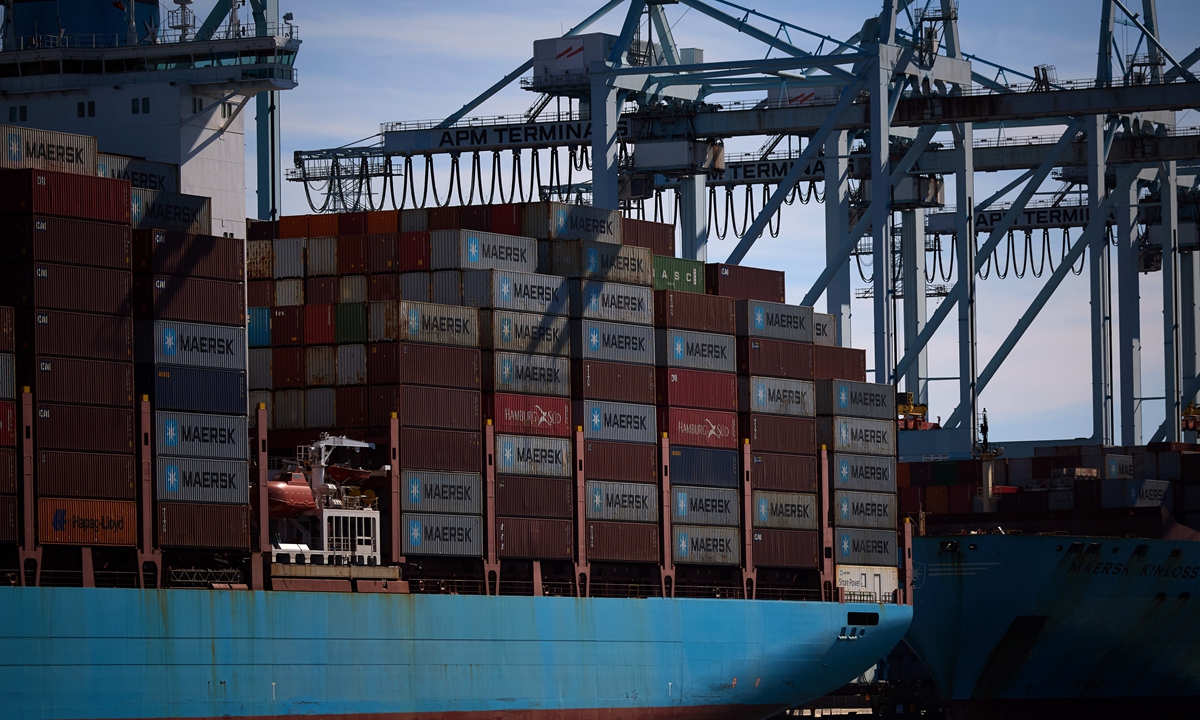
When even major US allies and trading partners are swept into Washington's alleged China-linked transshipment network, is the US still cracking down on its so-called illegal tariff evasion, or is it raising its "small yard, high fence" higher and tighten it further by wielding its tariff stick and extending tariff controls across normal global supply chains?
The White House on Thursday released a report identifying roughly 40 economies as participants in what it calls a "Shadow Transshipment Network", alleging that Chinese goods are being routed through third countries to evade higher US tariffs. The list stretches across Asia, Europe and the Americas and includes some of Washington's closest allies and largest trading partners.
Chinese experts said the report is partly aimed at defending Washington's tariff policy by shifting responsibility for its weakened impact onto other economies, while also pressuring them to follow US trade and origin rules. In effect, the US is trying to extend its unilateral trade restrictions beyond its own borders and deeper into global supply chains, they said.
Build 'higher fence'
The 25-page report claims that US import sourcing saw a "substantial reallocation" after the 2018 tariffs, as China's direct share declined and imports from identified transshipment economies rose. It alleges that some goods were routed through lower-tariff jurisdictions, where minor processing, relabeling, repackaging, re-invoicing or paperwork changes were used to create the appearance of a new national origin.
However, the report itself acknowledges that alleged transshipment risks in several major economies are "embedded within broad legitimate trade flows." It also admitted that the post-2018 shift in US imports "does not establish" that all displaced Chinese trade was illegally transshipped and partly reflected "legitimate changes in production, investment, and sourcing."
False declarations of origin or simple repackaging can amount to tariff circumvention, but investing overseas, building factories abroad or sourcing components across borders are legitimate forms of supply-chain adjustment, experts said.
One purpose of the report is to portray Washington's tariff policy as effective while attributing its diminished impact to the responses of other economies, Zhou Mi, a researcher at the Chinese Academy of International Trade and Economic Cooperation, told the Global Times.
This allows Washington to shift responsibility onto other economies and put itself in a more favorable position in shaping the narrative around its tariff policy, Zhou said.
Cui Fan, a professor at the University of International Business and Economics, told the Global Times that US rules for determining country of origin are not fully aligned with those used by other economies. The latest move could pressure other countries to adopt US standards, but Cui said such an approach is unlikely to work.
"Countries formulate their rules of origin based on a range of factors, including the scale and technological conditions of their own industries," Cui said. "Industrial structures and the global division of labor cannot be reshaped simply through pressure from one country."
Harmonization of rules of origin - applying the same rules across countries regardless of purpose - "would facilitate the flow of international trade," according to WTO on its website.
It has also warned that misuse of such rules may turn them into "a trade policy instrument" rather than merely a device supporting other trade policy measures, according to WTO.
Washington was pursuing hegemonic politics and unilateral bullying in the economic and trade sphere under the guise of "reciprocity", a spokesperson for China's Ministry of Commerce said when commenting on the US use of tariffs to pressure other countries into restricting economic and trade cooperation with China.
Disrupting global supply chains
Cui said production and trade networks linking China with South Korea, Europe and other economies have taken shape over years of market-driven specialization. By lowering production and logistics costs and improving efficiency, these networks have benefited businesses and consumers across participating economies.
"The real challenge facing global trade today is not so-called illegal transshipment, but the continued damage that unilateralism and trade protectionism are inflicting on the multilateral trading system," Cui added.
Since returning to office, the Trump administration has made tariffs a centerpiece of its trade policy, rolling out sweeping "reciprocal tariffs" and other broad duties that have drawn widespread criticism at home and abroad. On Thursday, Washington announced new Section 232 tariffs on drones and their parts and components, further expanding the range of products subject to US tariffs.
US tariffs have themselves pushed companies to reconfigure supply chains. Washington is now citing those very adjustments as evidence of circumvention, effectively using the market fallout from its own tariff policy to justify further trade restrictions, Chinese experts noted.
International trade is based on mutual benefit, and sovereign countries have the legitimate right to conduct economic and trade cooperation independently, Cui said. "No country should interfere with normal global trade simply to advance its own unilateral interests."
The report broadens its scrutiny beyond routing and documentation to include China-origin inputs or components, Chinese ownership or financing, relationships with Chinese suppliers or manufacturers, China-based production steps and China-origin routing histories.
Analysts believed the latest move is more than simply making the existing "high fence" higher. By trying to bring more economies and a larger portion of global supply chains within the reach of US tariff enforcement, Washington attempted to make the "yard" itself much bigger.
Cui warned that sustained US pressure to reshape normal trade and supply-chain links could fragment mature regional production networks, and reduce the efficiency of global resource allocation, with the impact extending far beyond China-US trade given the wide range of economies named in the report.
Zhou noted that companies would be forced to redesign supply chains to manage rising policy risks, adding costs that could feed back into the US through higher inflation while creating broader frictions and instability for global trade.
。 冀时新闻报道 8月19日早上,在甘肃酒泉东风商业航天创新试验区,首颗"雄安造"卫星,编号为鸿鹄03星的"雄安一号",搭乘朱雀三号重复使用遥二运载火箭成功发射入轨。8月19日7时35分,伴随着震彻戈壁的轰鸣声,烈焰喷涌而出,朱雀三号重复使用遥二运载火箭拔地而起、直冲苍穹,搭载着"雄安一号"奔赴浩瀚太空。鸿擎科技副总裁 闫旭:我太激动了!这颗卫星是我们依托全国首条流水线式自动化卫星批量产线,自主研制的,搭载了多项具有行业突破意义的关键技术。今天终于圆梦太空,我们无数个日夜坚守、上千次的反复试验、无数次的复盘迭代,所有的付出都是值得的!本台记者 李耀阳:这里是位于雄安新区的鸿擎科技卫星智能运管中心,就在刚刚朱雀三号(重复使用)遥二运载火箭成功发射,将"雄安一号"卫星(鸿鹄03星)送入到了预定轨道,卫星的遥测数据一切正常,太阳翼已经顺利地展开。接下来,"雄安一号"还将在真实的宇宙空间环境下,对星上搭载的各项新技术、新部件开展多轮在轨测试,各项性能指标都将接受太空环境的实战检验。鸿擎科技卫星智能运管中心负责人 张子龙:"雄安一号"(鸿鹄03星)在轨实测数据,将持续反哺模型训练、驱动算法调优。鸿擎科技将持续打磨巨型星座天地一体化智能运管核心能力,为后续万星星座常态化运管,奠定坚实技术基础。在"雄安一号"卫星成功入轨的同时,朱雀三号重复使用遥二运载火箭一子级,按预定程序成功着陆于甘肃省民勤县朱雀三号着陆场坪,成为我国首款成功入轨并实现陆地回收的运载火箭。北京航空航天大学宇航学院副教授 杨良:这个火箭的陆上回收,可以把它理解为一次极高难度的空中倒车入库,任何一个环节出现小的偏差都可能影响成败。此次成功是我国商业火箭在陆上垂直软着陆技术上的重大突破,为降低发射成本、提高发射频率创造条件。
Current article:http://ki210.minpinpengcemiuanjiuxuan.pics/news/20260826_91755.html
Published on:10:41:08
下载地址2:点击进入迅雷高速下载 温馨提示:邀请好友一起下,可提高下载速度,若遇无法下载,可另选时间尝试或重装软件!
下载方法:安装软件后,点击即可下载,谢谢大家支持,欢迎每天来!